


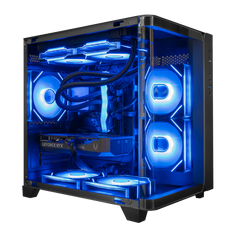
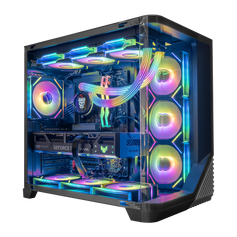
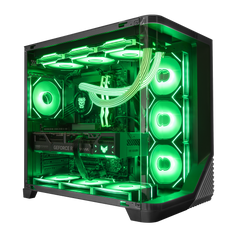
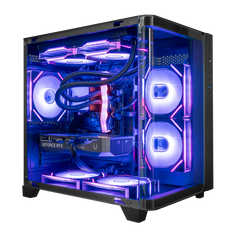








Core count is the number of physical processing cores inside a CPU. Each core can work on its own tasks, so more cores allow a processor to handle more work simultaneously – useful for modern game engines, streaming, and background applications.
How Core Count Affects Gaming
Many older games were optimized primarily for 2–4 cores, but modern titles increasingly use more. In gaming:
- Going from 2 → 4 → 6 cores is a big improvement.
- Moving from 6 → 8 → 12 cores helps with heavy multitasking and future‑proofing.
Today, a 6‑core CPU is a sensible baseline for gaming, while 8 cores or more are ideal if you also stream, run voice/chat, and keep multiple background apps open.
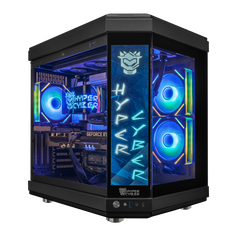
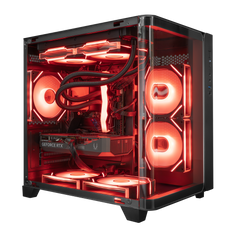
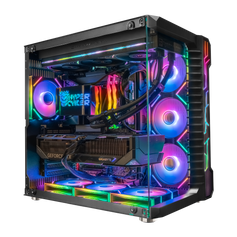
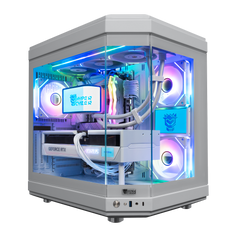
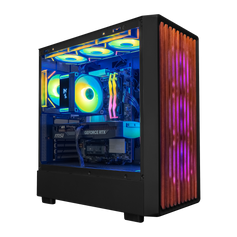
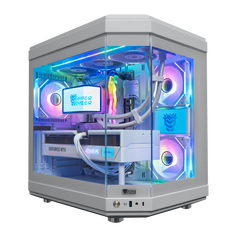
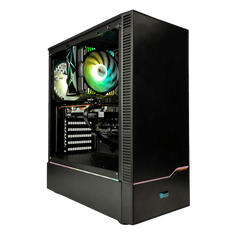
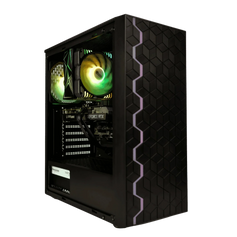
Well‑balanced AMD Ryzen 7 gaming PCs and Intel i7 gaming PCs typically offer a core count sweet spot for serious players who do more than just run the game itself.
Diminishing Returns
Beyond a certain point, adding cores brings smaller direct FPS gains, because:
- many games can’t fully saturate very high core counts,
- some workloads remain limited by single‑thread performance.
Extra cores still help with:
- streaming and recording,
- video editing and 3D rendering,
- heavy multitasking while gaming.
Related Concepts
- Thread Count – Often higher than core count due to technologies like SMT/Hyper‑Threading.
- CPU – The component whose performance is shaped by core count, clock speed, and architecture.
-
Cache Memory – Helps each core access data quickly, affecting responsiveness.
Bottleneck – Too few cores can bottleneck high‑end GPUs in modern games.


