


Refresh rate is the number of times per second your display can draw a new image, measured in Hertz (Hz). A 60 Hz monitor can show up to 60 distinct frames per second; a 144 Hz monitor can display up to 144.
While FPS describes what your PC is producing, refresh rate describes what your monitor can actually show.
What Refresh Rate Does in Practice
Every refresh cycle, the monitor updates the image. Higher refresh rates:
- make motion look smoother,
- reduce motion blur,
- and can make aiming and tracking easier in fast‑paced games.
Common gaming values:
- 60 Hz – baseline; fine for casual play.
- 120 / 144 Hz – sweet spot for most competitive gamers.
- 240 Hz+ – premium, aimed at esports and players who can consistently push very high FPS.
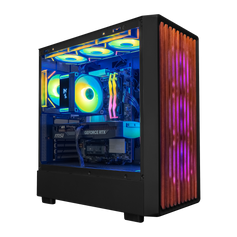
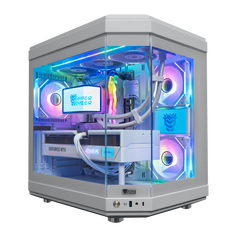
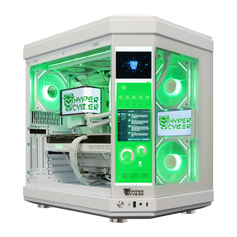
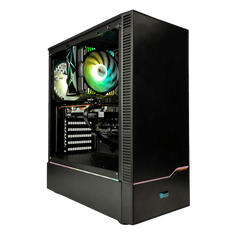
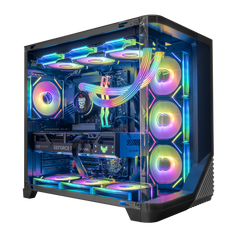
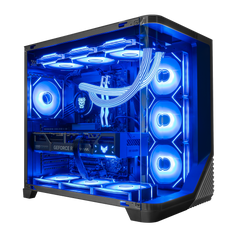
To benefit from a high‑refresh display, your system needs to produce enough FPS. That’s why high‑end GPUs in performance‑oriented gaming PCs are often paired with 144 Hz or 240 Hz monitors.
Refresh Rate vs FPS
FPS is what the GPU renders; refresh rate is what the monitor can show. If your game runs at 180 FPS on a 144 Hz monitor, you will still only see up to 144 distinct images per second.
Ideally, you want:
- FPS at or above your monitor’s refresh rate,
- with technologies like G‑Sync/FreeSync to smooth out mismatches between the two.
For many players, moving from 60 Hz to 144 Hz is one of the most noticeable upgrades in perceived smoothness – often more impactful than a small bump in graphical fidelity.
Related Concepts
-
FPS – Frames per second; how many images your system renders each second.
Input Lag – Lower at higher refresh rates, since the display updates more often. - GPU – Must be powerful enough to output frame rates that match (or exceed) your display’s refresh rate.
- Esports Gaming PC – Systems built to drive very high FPS for 144–240 Hz monitors.


