




After this comparison, jump over to RTX 5080 vs RTX 4080 to understand where both cards sit in the wider lineup.
For those who demand the ultimate workstation and gaming hybrid, an AMD Ryzen 9 gaming PC offers the necessary cores to match these high-end Blackwell GPUs.
🎮 Raster Gaming Performance
-
Across modern titles at 1440p and 4K, RTX 5080 delivers approximately 10–15% higher frame rates than RTX 5070 Ti .
-
Nanoreview reports ~12% average FPS uplift at QHD (164 vs 146 FPS) and up to 21% higher in 3DMark Steel Nomad Lite synthetic tests .
-
Reddit users concur: “The 5070 Ti is very close to the 5080. It's about a 10‑15% performance increase for 35% more money.”
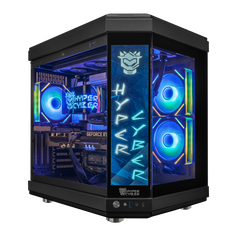
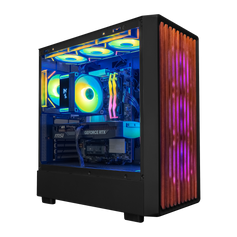
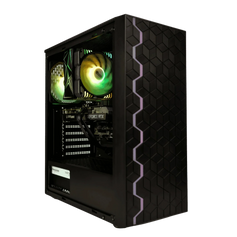
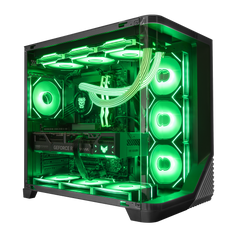
Figure 1 (first in carousel) visualizes this raster performance gap.
🌐 Ray Tracing & DLSS 4 Performance
-
In ray tracing and DLSS workloads, RTX 5080 continues to lead, but by a slightly higher margin of 13–18% depending on workload and resolution .
-
TechRadar confirms higher RT core counts and VRAM bandwidth contribute to smoother DLSS 4 and Multi‑Frame Generation (MFG) experience on the RTX 5080.
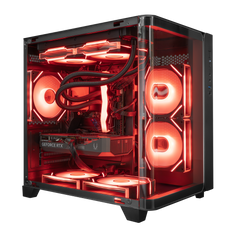
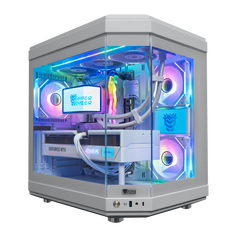
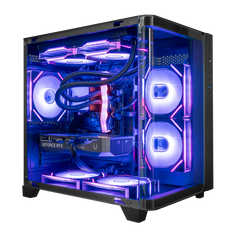
Figure 2 (second image) illustrates RT benchmark comparisons.
📊 Synthetic & Compute Benchmarks
-
According to 3DMark benchmarks, RTX 5080 shows performance leads of 11–25% across Fire Strike, Time Spy, and Steel Nomad—with the largest margins in extreme tests .
-
Contributor benchmarks reinforce these gains via synthetic suite headroom.
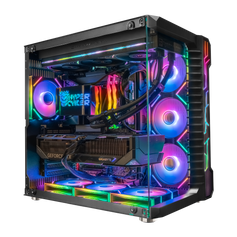
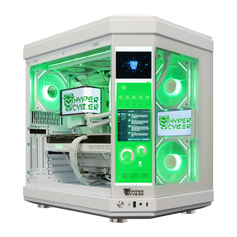
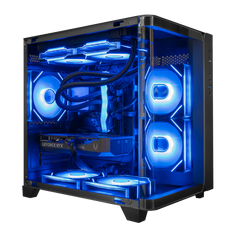
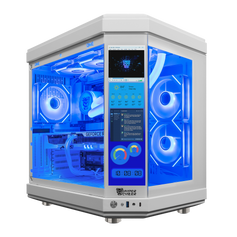
Figure 3 (third in carousel) displays synthetic benchmark comparison.
⚡ Power Efficiency & Specs
-
RTX 5080 uses more power (~360 W TDP) vs ~300 W for RTX 5070 Ti, representing a ~20% higher draw – expect increased thermals and PSU requirements .
-
Despite higher TDP, RTX 5080’s performance-per-watt remains competitive thanks to its efficiency gains in high‑resolution and RT workloads.
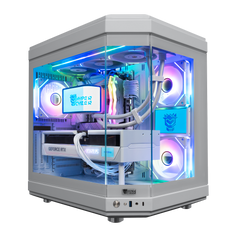
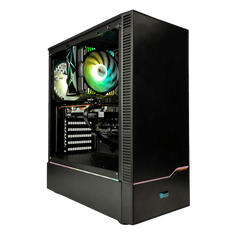
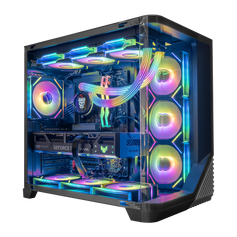
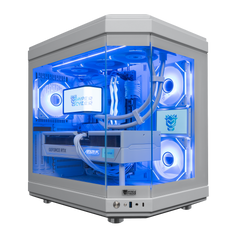
Figure 4 (fourth image) visually compares TDP and efficiency.
✅ Pros & Cons Table
| Feature | RTX 5080 | RTX 5070 Ti |
|---|---|---|
| Raster Gaming (1440p/4K) | ~10–15% faster | Strong performance for price |
| Ray Tracing & DLSS 4 / MFG | RT and frame generation leader | DLSS 4 capable but fewer cores |
| Synthetic / Compute Benchmarks | ~11–25% lead in 3DMark and tests | Competitive mid‑range value |
| Power Draw & Efficiency | ~360 W TDP, higher power cost | ~300 W TDP, more efficient |
| Value per Dollar | Higher cost, premium stepping stone | Better mid‑range bang‑for‑buck |
🔍 Conclusion: Worth the Upgrade?
-
RTX 5080 is a solid step up—delivering measurable gains in raster, RT, synthetic, and AI workloads over RTX 5070 Ti. If you prioritize 4K gaming with robust DLSS 4 support, it’s worth the extra cost.
-
RTX 5070 Ti, however, offers nearly equivalent performance in many scenarios at ~35% lower average prices—making it a compelling choice if you're on a budget or can’t find the 5080 at MSRP.


