
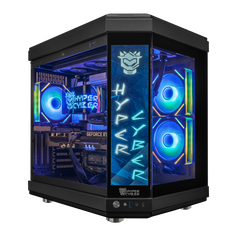
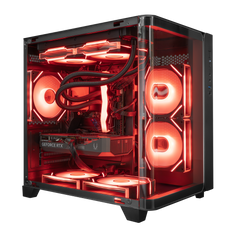
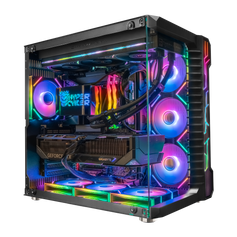
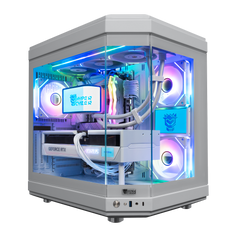
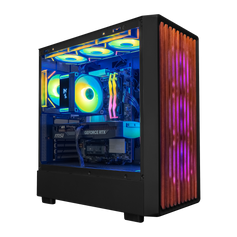
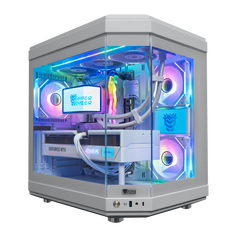
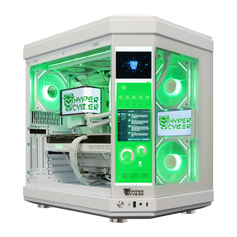
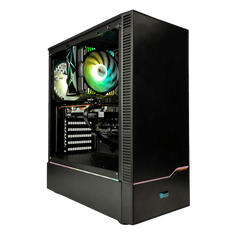
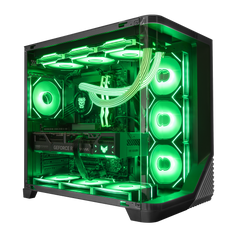
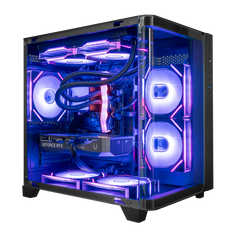
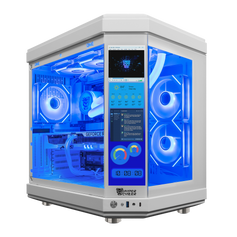
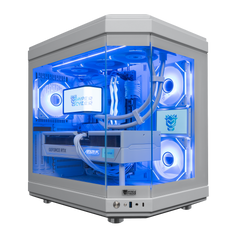






Cooling refers to the systems and components that remove heat from your CPU, GPU, and other parts so they can run safely and consistently. Good cooling keeps temperatures in check, prevents thermal throttling, and reduces noise.
What Makes Up a Cooling System
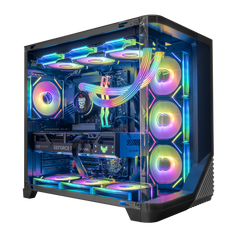
A typical gaming PC’s cooling setup includes:
- a CPU cooler (air tower or liquid AIO)
- GPU cooler (fans and heatsink on the graphics card)
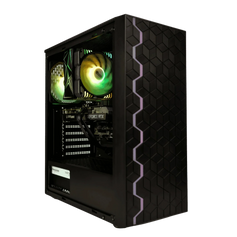
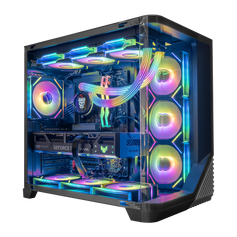
- case fans to move air through the chassis
- thermal paste and heatsinks on key components
Airflow is just as important as individual coolers. A well‑designed case with intake and exhaust fans helps maintain stable temperatures for the whole system.
Cooling and Gaming Performance
When components get too hot, they throttle – automatically lowering clock speeds to keep temperatures safe. That means:
- lower sustained FPS in long sessions
- potential stutters when temperatures spike
- higher noise as fans ramp harder
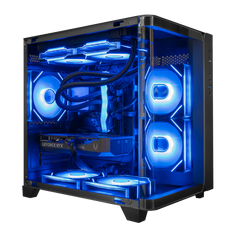
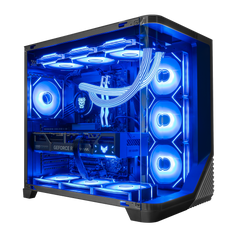
Balanced performance PCs under $3,000 and themed builds like liquid‑cooled PCs are designed so cooling capacity matches CPU/GPU TDP, keeping performance consistent even under heavy load.
Related Concepts
-
TDP – Indicates how much heat a component is expected to produce.
-
Air Cooling – Traditional coolers using heatsinks and fans.
-
Liquid Cooling – Uses liquid to move heat from the CPU/GPU to a radiator.
- Power Supply Unit – Also generates heat and benefits from good airflow.


