
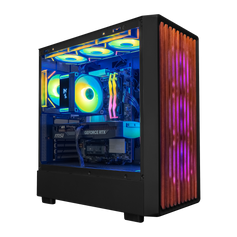
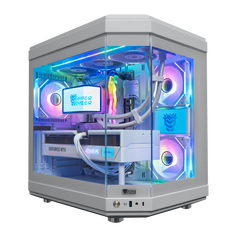
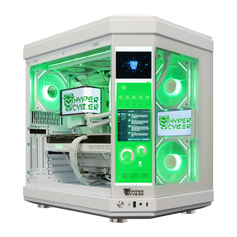
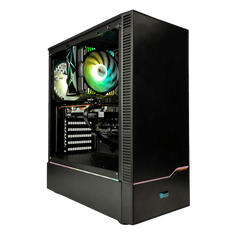
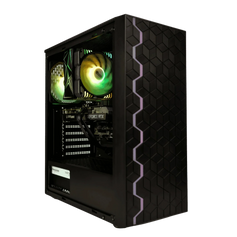
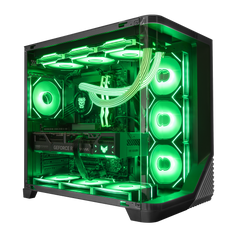
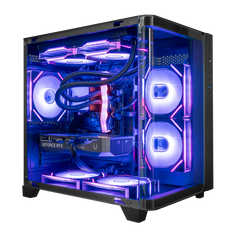
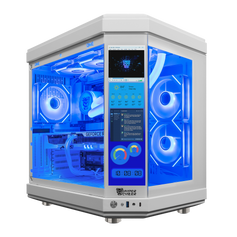
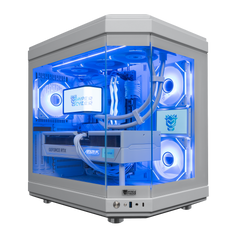






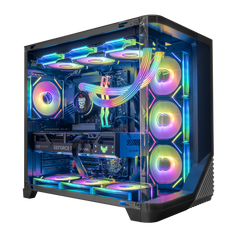

Air cooling uses heatsinks and fans to pull heat away from components and transfer it into the air inside your case, which is then exhausted outside. It’s the most common cooling method for both CPUs and GPUs.
How Air Coolers Work
An air cooler typically consists of:
- a metal base and heatpipes that draw heat from the CPU
- a large fin stack (heatsink) that increases surface area
- one or more fans that blow air through the fins
GPU coolers follow the same principles, with heatsinks and multiple fans integrated on the graphics card.
High‑quality tower coolers can handle surprisingly high TDP CPUs while remaining quiet, making them a great fit for many gaming PCs.
Pros and Cons of Air Cooling
Advantages:
- simpler and generally more reliable (no pump, fewer moving parts)
- easier to install and maintain
- often quieter at low and medium loads
- very cost‑effective for the performance
Disadvantages:
- very high‑end CPUs may run hotter or louder under all‑air setups
- large coolers can interfere with tall RAM or small cases
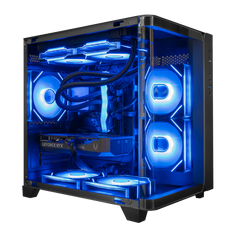
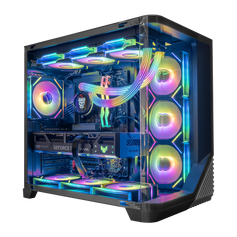
- less visual “wow” factor compared to RGB liquid loops
For most builds – especially mid‑range systems – solid air cooling is still the default recommendation.
Related Concepts
-
Cooling – Overall strategy for moving heat out of the system.
-
Liquid Cooling – An alternative that uses liquid and radiators instead of only heatsinks and fans.
-
TDP – Helps determine what size and class of air cooler you need.
- Form Factor – Case size dictates how large an air cooler you can physically fit.


