








Input lag is the delay between you performing an action (clicking a mouse, pressing a key) and seeing the result on screen. In fast‑paced games, even a small amount of extra delay can make aiming feel sluggish and can cost you fights.
Where Input Lag Comes From
Input lag is not a single number from a single component; it’s the sum of delays through the whole chain:
- Your mouse/keyboard or controller
- The game engine processing the input
- The GPU rendering a new frame
- The display accepting and showing that frame
Your monitor’s display lag – the time it takes to process and draw a frame – is one part of this total.
High input lag can be introduced by:
- heavy image processing on TVs/monitors,
- low FPS or inconsistent frame times,
- V‑Sync or poorly configured settings,
- wireless devices with additional latency.
Why Input Lag Feels So Bad in Games
When input lag is high, your crosshair feels like it’s “dragging behind” your hand. This is especially noticeable in:
- competitive shooters,
- fighting games,
- rhythm titles.
Reducing input lag is one reason competitive gamers prioritize:
- high FPS,
- high refresh rate displays,
- “Game Mode” on monitors/TVs (which disables extra processing),
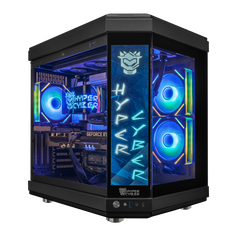
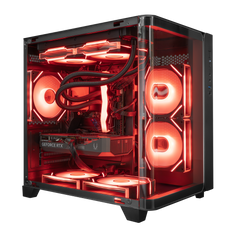
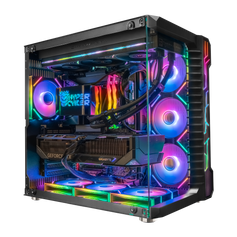
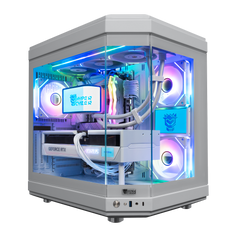
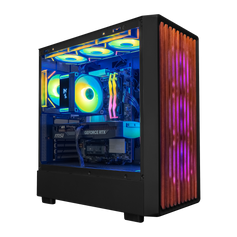
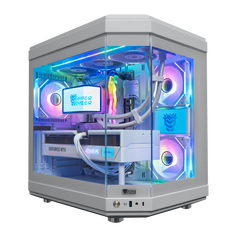
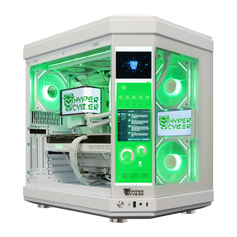
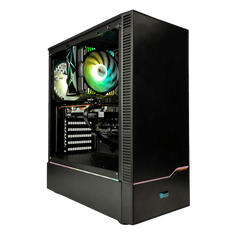
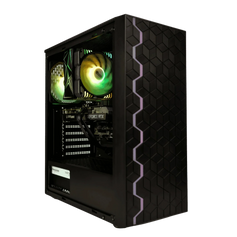
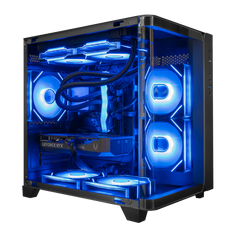
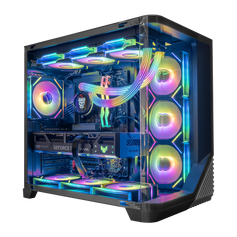
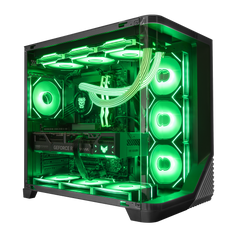
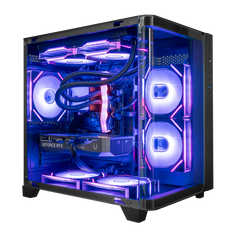
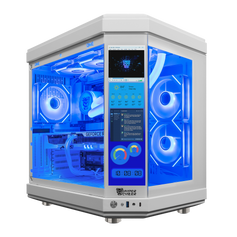
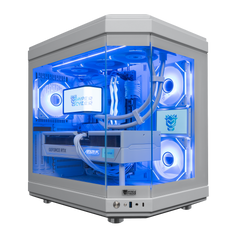
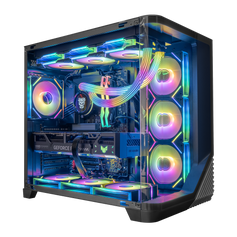
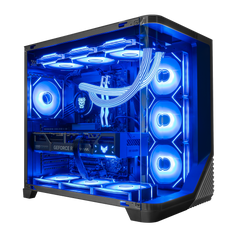
- powerful, balanced systems like optimized
- esports gaming PCs
How to Reduce Input Lag
Common steps:
- Choose a monitor with low measured input lag and fast response time.
- Enable game/PC mode to disable extra image processing.
- Aim for stable, high FPS; avoid big frametime spikes.
- Use G‑Sync/FreeSync instead of basic V‑Sync when possible.
- Prefer wired peripherals for critical competitive play.
In a well‑tuned setup, total system input lag can drop into the single‑digit millisecond range, which feels almost instantaneous.
Related Concepts
- FPS – Higher and more stable FPS reduces the time between input and the next rendered frame.
- Refresh Rate – Higher refresh rates let the display show new frames (and your inputs) more often.
- Response Time – How quickly individual pixels change; separate from input lag but also important for clarity.
- GPU – A slow or overburdened GPU increases frametimes and contributes to higher input lag.


